
For beginners looking to get started with the Internet of Things (IoT), several platforms offer user-friendly interfaces, extensive documentation, and supportive communities. Here are some of the best IoT platforms for beginners:
1. Arduino
- Overview: Arduino is a popular open-source platform ideal for beginners. It provides a range of microcontrollers and development boards that are easy to program using the Arduino IDE.
- Features:
- Extensive community support
- Simple programming language based on C++
- Wide range of tutorials and projects
- Best For: Beginners interested in hardware prototyping and learning the basics of microcontroller programming.
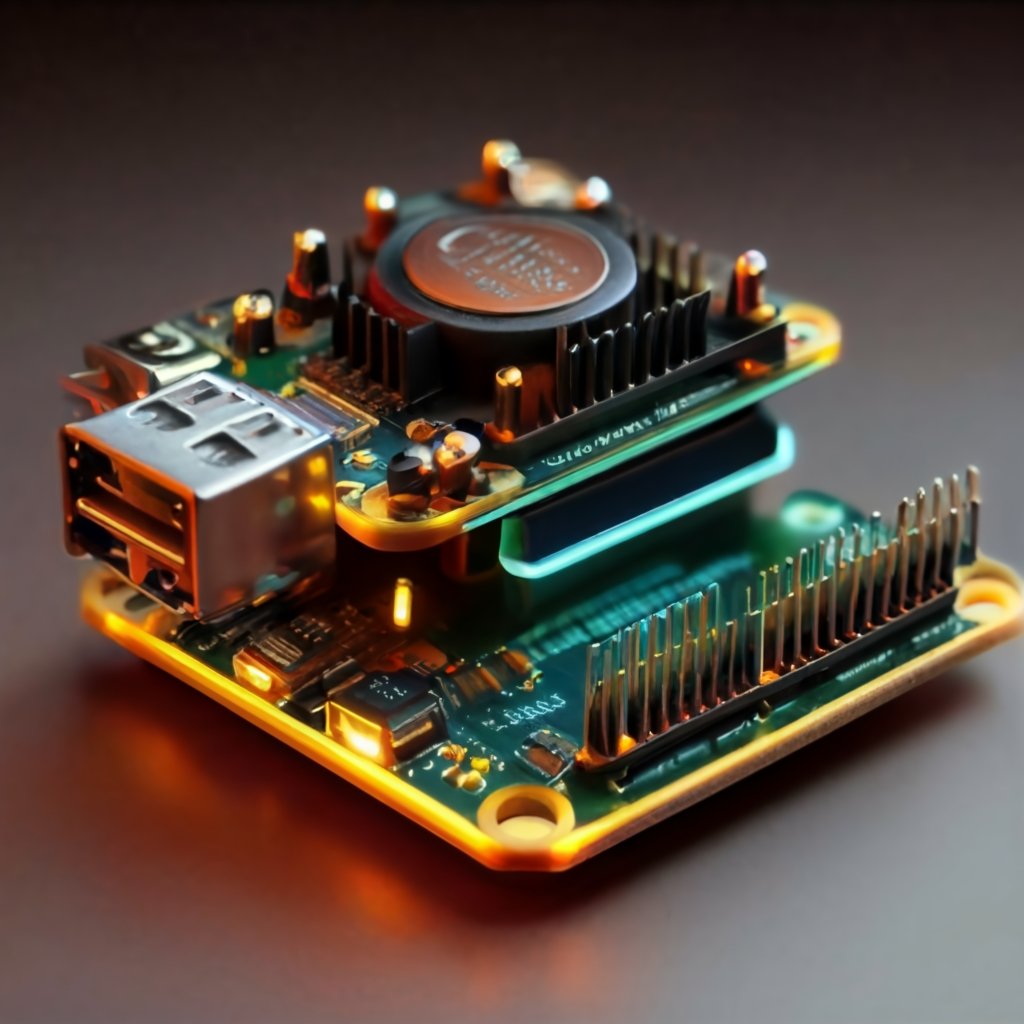
2. Raspberry Pi
- Overview: Raspberry Pi is a low-cost, credit-card-sized computer that plugs into a monitor or TV and uses a standard keyboard and mouse.
- Features:
- Supports various programming languages (Python, C, Java, etc.)
- Can run full-fledged operating systems like Linux
- Large community and numerous project guides
- Best For: Beginners who want to learn both hardware and software aspects of IoT.
3. Blynk
- Overview: Blynk is a platform that allows you to build IoT apps quickly. It supports various hardware models like Arduino, Raspberry Pi, and more.
- Features:
- Drag-and-drop interface for app creation
- Supports multiple hardware platforms
- Cloud-based, with a free version available
- Best For: Beginners who want to create mobile apps for IoT projects without deep programming knowledge.
4. ThingsBoard
- Overview: ThingsBoard is an open-source IoT platform for data collection, processing, visualization, and device management.
- Features:
- User-friendly dashboard for data visualization
- Supports various protocols (MQTT, HTTP, CoAP)
- Open-source with extensive documentation
- Best For: Beginners interested in data visualization and IoT device management.
5. Adafruit IO
- Overview: Adafruit IO is a cloud service that makes it easy to get started with IoT. It works well with Adafruit hardware but can be used with other platforms too.
- Features:
- Simple API for data logging and visualization
- Integration with other Adafruit products
- Free tier available
- Best For: Beginners who are already using or plan to use Adafruit products.
6. Node-RED
- Overview: Node-RED is a flow-based development tool for visual programming. It is widely used for IoT applications.
- Features:
- Drag-and-drop programming interface
- Integration with various IoT devices and APIs
- Runs on low-cost hardware like Raspberry Pi
- Best For: Beginners who prefer a visual programming approach and want to integrate multiple services and devices.
7. Tinkercad
- Overview: Tinkercad is an easy-to-use, browser-based platform that includes an IoT simulation environment.
- Features:
- 3D design and electronics simulation in a single platform
- Drag-and-drop interface for circuit design
- Integrated Arduino simulation for coding and testing
- Best For: Beginners interested in both 3D modeling and IoT circuit design without needing physical components.
These platforms provide a range of options depending on whether you prefer working with hardware, software, or a combination of both.